Different HVAC services require different door hanger strategies — the messaging, timing, targeting, and design that works for emergency AC repair differs significantly from what drives maintenance agreement sign-ups or new system installations. Here are optimized door hanger campaign strategies for every major HVAC service category.
AC Repair & Emergency Cooling
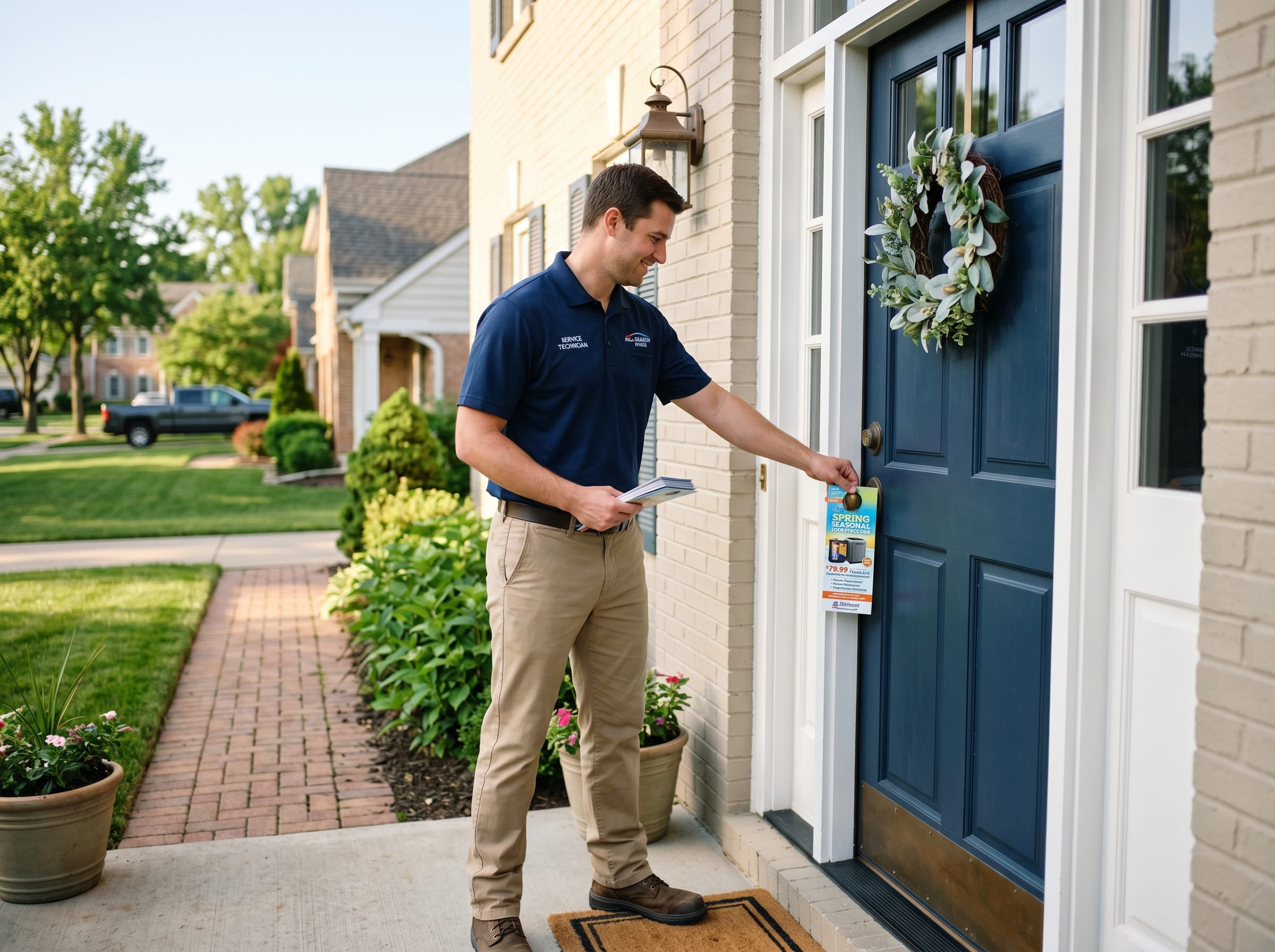
Emergency AC repair door hangers should be bold, urgent, and immediately actionable. Feature your phone number in the largest possible font — when a homeowner’s AC fails on a 100-degree day, they need to call someone immediately. Emphasize: 24/7 emergency service, same-day repair availability, all-brands serviced, licensed and insured technicians, and transparent pricing with no hidden fees. Distribute during spring and summer, with rapid-deployment capability during heat waves. Target older neighborhoods where AC systems are past their warranty period and most vulnerable to failure. Include a refrigerator magnet element if budget allows — magnetic door hangers stay visible for months.
Furnace Repair & Heating Services
Heating service door hangers follow similar urgency principles as AC repair but target fall and winter distribution windows. Carbon monoxide safety messaging adds a critical safety dimension that AC campaigns lack — emphasize CO detector checks, furnace safety inspections, and the risks of operating a furnace without professional maintenance. Feature both emergency repair availability and preventive maintenance offers. In markets like Chicago, Minneapolis, Denver, and Boston, furnace campaigns should emphasize both comfort and safety — a furnace failure in subzero temperatures is not just uncomfortable, it is dangerous.
Seasonal Maintenance & Tune-Up Programs
Maintenance campaign door hangers should emphasize preventive value — regular tune-ups extend system life, improve efficiency, reduce energy bills, and prevent costly emergency breakdowns. Offer specific pricing (e.g., “Spring AC Tune-Up — $89”) rather than vague “call for pricing” language. Maintenance campaigns generate the best response rates when distributed 3-4 weeks before the relevant season begins, capturing proactive homeowners who plan ahead. Include comparison data: “Regular maintenance can reduce HVAC operating costs and extend system life by several years.” Maintenance agreement enrollment offers that bundle spring and fall services at a discounted annual rate create recurring revenue streams that build business stability.
New System Installation & Replacement
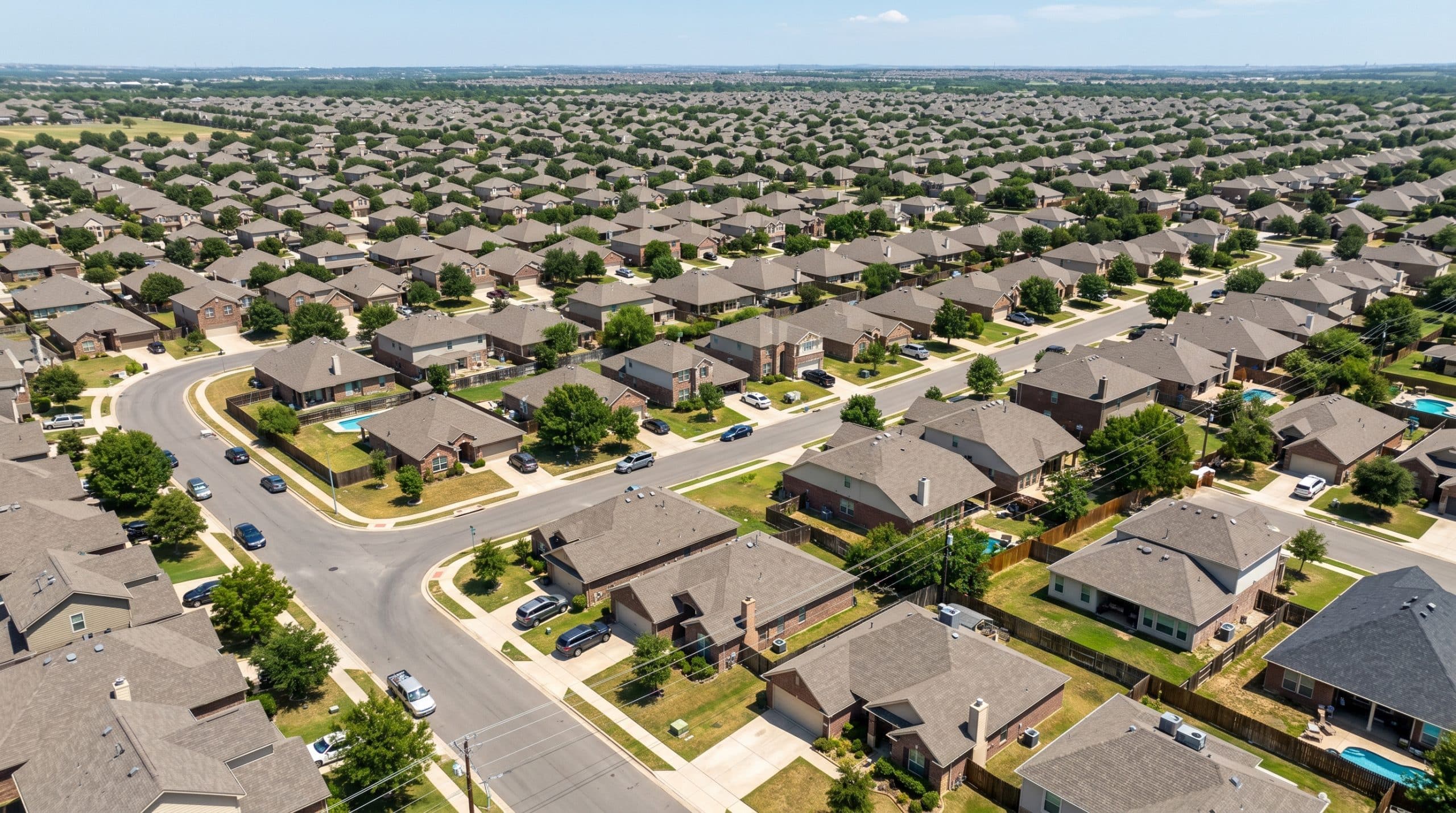
System replacement campaigns target homeowners with aging equipment — focus distribution on neighborhoods with homes built 15-20+ years ago where original HVAC systems are approaching end-of-life. Emphasize energy efficiency improvements, utility cost savings, available rebates and tax credits, and flexible financing options that make replacement affordable. Include brand partnerships — if you are a Carrier, Trane, or Lennox dealer, leverage that brand recognition. Feature SEER rating comparisons showing efficiency gains between old and new systems. These campaigns generate the highest revenue per lead of any HVAC door hanger type, but require longer sales cycles and more follow-up than repair campaigns.
Indoor Air Quality & Duct Services
Indoor air quality campaigns resonate year-round but peak during allergy season (spring), wildfire season (summer/fall in western markets), and peak winter indoor confinement. Door hangers promoting duct cleaning, air purification systems, UV germicidal lights, HEPA filtration, humidifiers, and dehumidifiers address growing consumer awareness of indoor air quality health impacts. Target families with children, seniors, and health-conscious homeowners in suburban neighborhoods. Post-pandemic awareness of airborne health risks has permanently elevated consumer interest in IAQ services, making these campaigns consistently effective regardless of season.
Smart Home & Energy Efficiency Upgrades
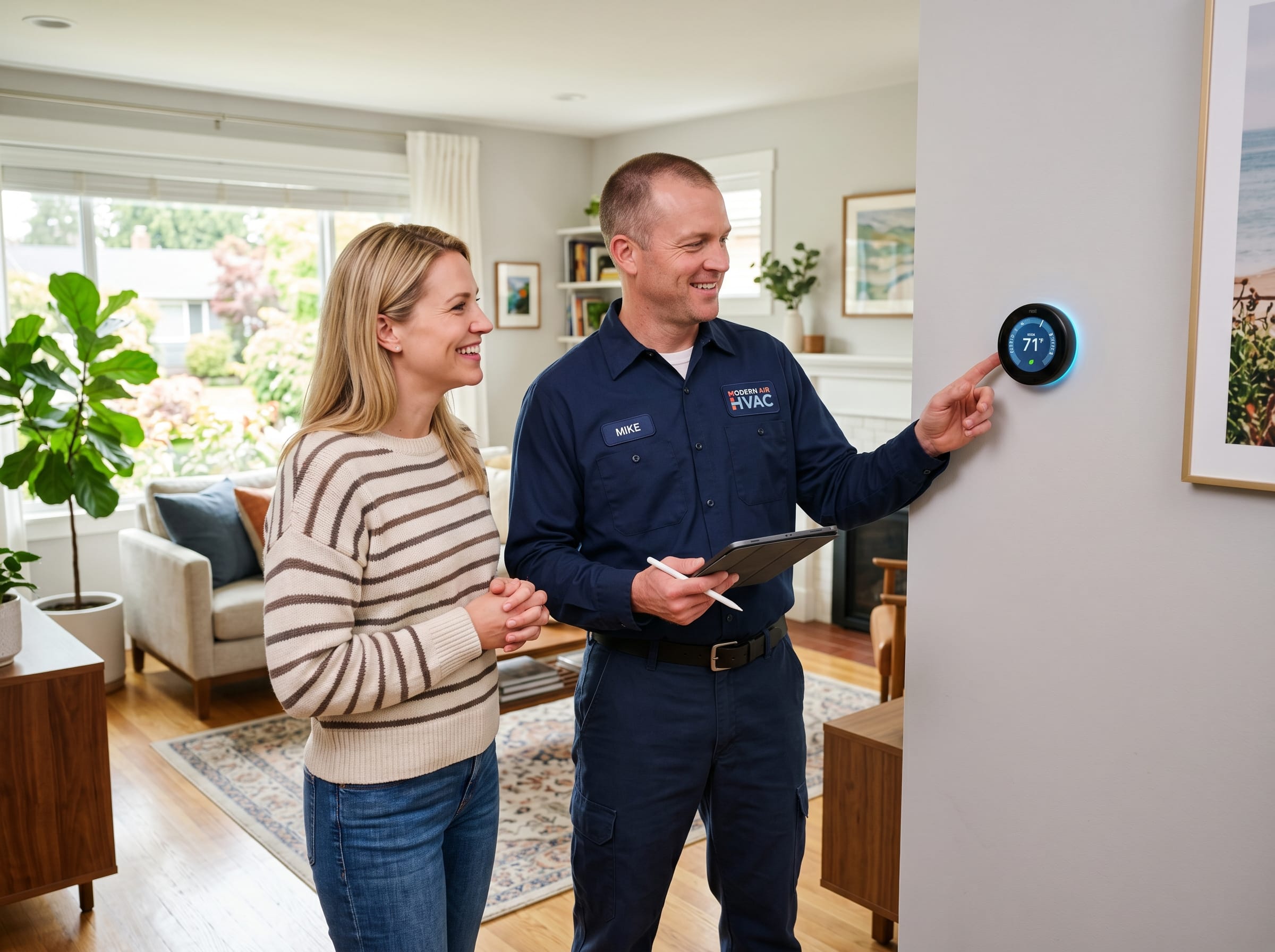
Technology-forward campaigns promoting smart thermostats, zoning systems, energy management solutions, and home automation integration appeal to tech-savvy homeowners and environmentally conscious consumers. Emphasize energy savings, remote control convenience, and integration with existing smart home ecosystems. Target newer neighborhoods and higher-income areas where homeowners are early technology adopters. Markets like Austin, Seattle, San Diego, and Denver have particularly strong demand for energy efficiency and smart home HVAC solutions.